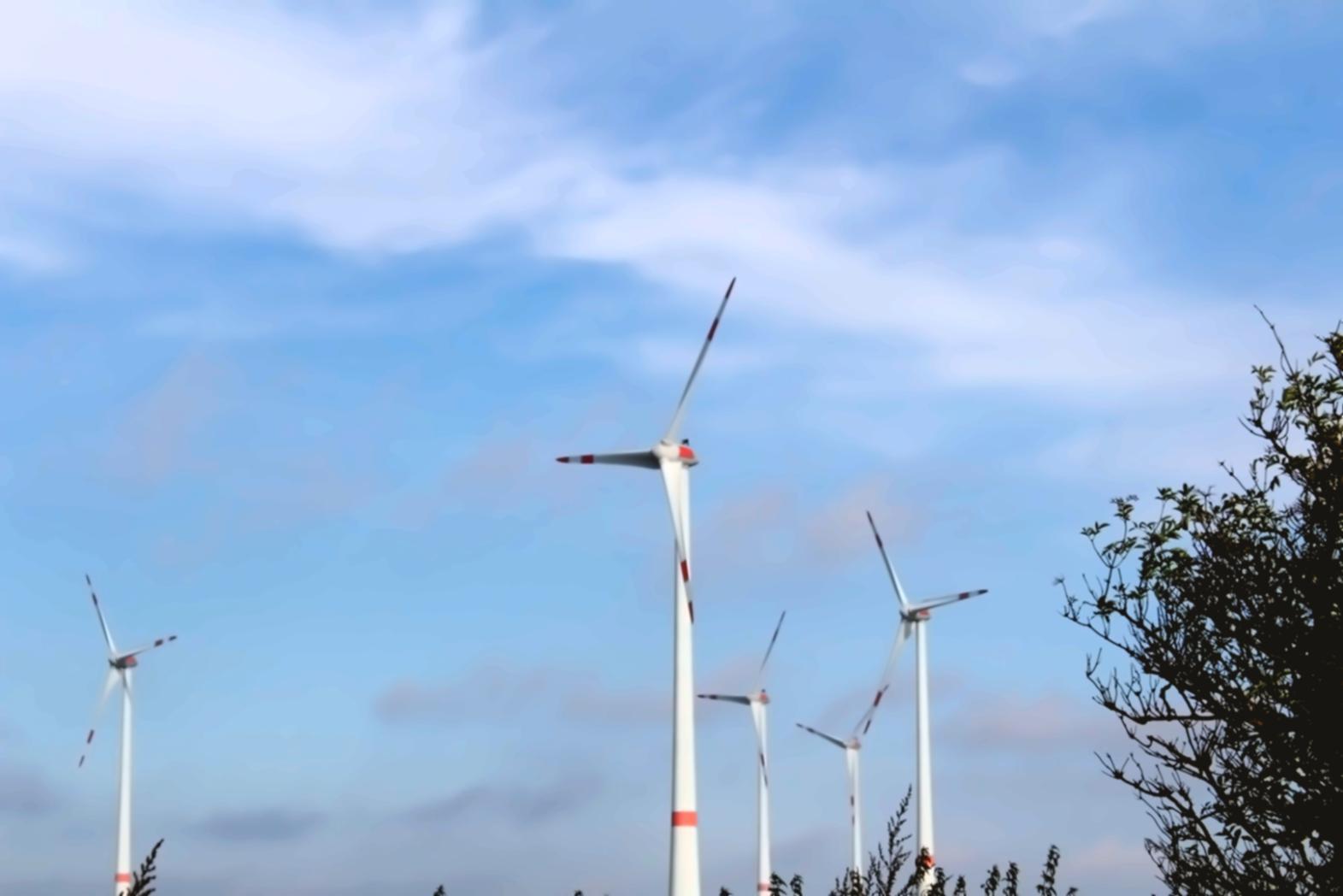
Green technology landscape
Ulnarik — Green Technology

Opinions that cut through the green noise

Honest analysis of clean energy, climate policy, and environmental tech. No greenwashing, no hype — just perspective backed by specific numbers and real decisions.

Latest from the blog

Recent arguments

3 pieces published most recently. Each one takes a position — read them in order or start with whichever title stops you first.

Solar Panels at Home: Where Older Homeowners Go Wrong First

Solar Panels at Home: Where Older Homeowners Go Wrong First

Many older adults interested in solar energy make a few specific errors before getting started. Here is what those errors look like in practice and how to see them clearly.

Read piece
Home Insulation and Green Upgrades: The Sequence Most People Get Backwards

Home Insulation and Green Upgrades: The Sequence Most People Get Backwards

Installing a heat pump before addressing insulation is a common and costly error. This article walks through why the order of green home upgrades matters more than the upgrades themselves.

Read piece
Electric Cars and Older Drivers: Assumptions That Lead to Disappointment

Electric Cars and Older Drivers: Assumptions That Lead to Disappointment

Older adults switching to electric vehicles often encounter problems that were entirely predictable. The article identifies three specific assumptions that cause the most frustration.

Read piece
All articles
In depth

Four angles worth your attention

Air Quality History Environmental Protection

Atmospheric Air Protection: A Beginner's Timeline of Key Milestones

A chronological checklist of the most important events in air quality protection, explained simply for those new to the topic.

By Declan Forde Read
macroeconomics economics

Macroeconomics Through Time: What the Data Actually Showed

A quiet walk through macroeconomic history, tracing key experiments and their real outcomes across decades of policy shifts and measured consequences.

By Orla Fennelly Read
Air Quality Metrics Environmental Regulation

Air Quality Standards: What They Measure and What the Numbers Mean

A checklist of the key air quality indicators beginners encounter in legislation and monitoring reports, with plain explanations of each metric.

By Oisin Carmody Read
Editorial picks

Not every good piece gets read when it comes out.

The full archive holds 8 years of positions on climate tech, energy infrastructure, and policy shifts. Worth a slower browse.

Browse the archive
Overlooked

Pieces that slipped past the initial rush

Publishing rhythm means some articles land in quiet weeks. 3 pieces below consistently resurface in reader recommendations months after they were written.

Each one addresses a question that was premature when published but is now squarely in focus: storage economics, grid flexibility, and the actual cost of inaction.

Green technology content highlight
  • Battery storage costs fell 89% in a decade — and the incentives still missed the point

    Published during the policy debate, the numbers held up better than the policy arguments. Worth reading for the cost breakdown alone.

    Open piece
    01
  • Grid operators are not the obstacle — procurement timelines are

    A structural argument that gets cited in infrastructure conversations because it names the 18-month bottleneck most people skip past.

    Open piece
    02
  • What a €40 per tonne carbon price actually changes — and what it does not

    Three sectors, specific numbers, a clear answer to whether price signals alone do anything below a threshold that no jurisdiction has reached.

    Open piece
    03
Publishing cadence

What comes out and when

New pieces appear 2 to 3 times per month. Each publication cycle covers one of 4 recurring clusters: energy economics, climate regulation, material technology, and built environment. No filler.

2–3
Pieces per month
Consistent output since 2016, no gap longer than 3 weeks
4
Content territories
Energy, regulation, materials, and built environment rotate evenly
800+
Words minimum
No short takes — every piece builds a full argument
0
Press release rewrites
All positions sourced from primary data, not PR cycles
Ulnarik author portrait
Editorial voice

What you are actually reading when you read this

1. Ulnarik is a single-author publication. Every article is written from a declared position, not from a neutral aggregator stance. If an argument is weak, it says so. If data conflicts with a popular conclusion, the data wins.

2. The focus on green technology is not ideological — it is structural. Energy and materials shape every other economic decision. Writing about them with specificity matters more than writing about them with enthusiasm.

3. Readers here tend to be working on decisions, not just following a topic. The writing is calibrated for that: specific enough to be useful, opinionated enough to be worth arguing with.

Numbers with context — every figure includes the denominator and the timeframe
Positions stated upfront — the conclusion is in the first paragraph, not the last
Corrections published visibly — when the argument changes, the change is logged

Where to go next

Logical next reads for curious minds

  1. 01

    Start with the author page

    Understand the perspective before the arguments. The about page explains the background, the method, and what drives the editorial choices.

  2. 02

    Browse by territory, not by date

    The full archive is filterable by topic cluster. Reading 3 pieces from the same territory in sequence gives context that single articles cannot.

  3. 03

    Subscribe before the next cycle

    New pieces go out 2–3 times a month. Subscribing below means the next publication lands directly, without the algorithm between you and it.

  4. 04

    Respond to something you disagree with

    The email address is real and checked. If an argument here is wrong or incomplete, say so directly. Substantive corrections have changed published positions before.

Green technology editorial context

Green technology sits at the intersection of infrastructure investment, material science, and regulatory design — not just energy generation.

Stay in the loop

What the subscription actually delivers

2 to 3 emails per month. Each one contains the new piece, a brief note on why it was written now, and occasionally a pointer to one external source worth reading alongside it.

No digest format, no weekly roundups, no third-party content. Every email is a single article with a declared point of view.

Delivered when published, not on a fixed day
Unsubscribe link in every email, no confirmation needed
No advertising, no sponsored sections

Get new pieces by email

Roughly 2–3 times a month. One article per email. No noise.